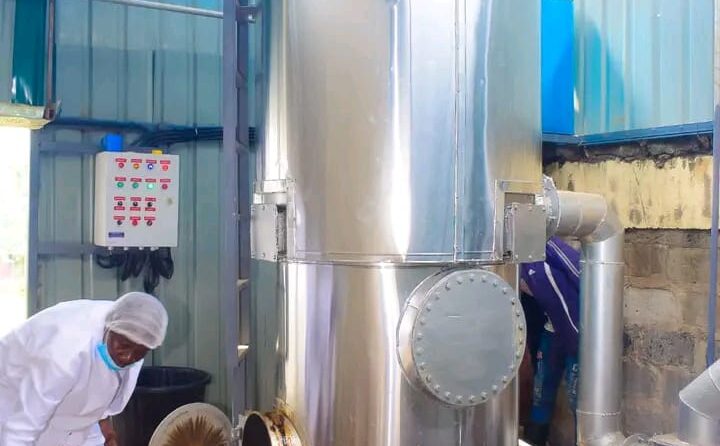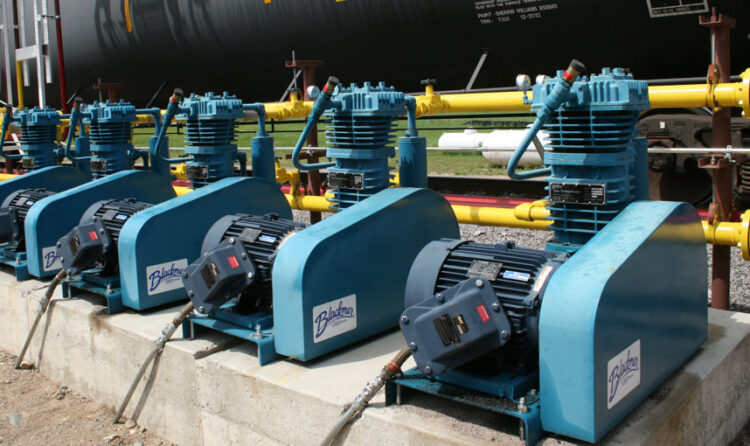

Why Boiler Maintenance Is Essential for Industrial Efficiency and Safety
Introduction
In modern industries, boilers are critical systems that support daily operations across sectors such as dairy, textiles, manufacturing, healthcare, food processing and energy production. These systems generate steam or hot water used for heating, sterilization, processing and powering equipment.
To keep these systems running efficiently, boiler maintenance is not optional—it is essential. Maintenance involves servicing mechanical components to ensure optimal performance, safety and long-term durability. At Wilest Energy Solutions Ltd, we emphasize structured maintenance practices that help industries avoid costly breakdowns and maintain smooth operations.
What Is Boiler Maintenance?
Boiler maintenance refers to all activities aimed at keeping a boiler in good working condition. These include:
- inspection and testing
- cleaning and lubrication
- repair and replacement of worn parts
- calibration and system adjustments
- overhauling and performance checks
These actions help boilers withstand daily wear and tear while maintaining efficiency and reliability.
Why Boiler Maintenance Matters
Boilers operate under high pressure and temperature, making them critical and sensitive industrial assets. Without proper maintenance:
- efficiency drops and fuel consumption increases
- breakdowns become frequent and costly
- safety risks rise significantly
- equipment lifespan is reduced
Consistent maintenance ensures that industrial processes continue without disruption while protecting both personnel and equipment.
Types of Boiler Maintenance
Reactive Maintenance
Reactive maintenance is performed only when a problem occurs. It involves fixing faults such as leaks, burner failures or system shutdowns.
Advantages:
- lower upfront cost
- minimal planning required
Disadvantages:
- higher long-term repair costs
- unexpected downtime and production losses
- increased safety risks
- faster wear and tear of components
Preventive Maintenance
Preventive maintenance is a planned and proactive approach. It involves routine checks and servicing to detect and fix issues before they escalate.
Common preventive actions include:
- monitoring water levels and pressure
- inspecting flue gas systems
- cleaning burners and heat surfaces
- lubricating moving parts
- replacing worn components early
Advantages:
- improved boiler efficiency and performance
- reduced downtime and fewer breakdowns
- enhanced safety and compliance
- longer equipment lifespan
- better operational data for planning
Disadvantages:
- requires scheduling and planning
- involves upfront maintenance costs
- must be aligned with actual usage to avoid over-servicing
The Best Approach for Industrial Boilers
While reactive maintenance may seem cost-effective initially, it often leads to higher expenses and operational disruptions over time. A preventive maintenance program is the most reliable strategy for ensuring consistent boiler performance.
Industries are encouraged to adopt structured maintenance schedules, maintain proper records and engage skilled technicians for servicing.
Conclusion
Boiler maintenance is a critical requirement for any industry relying on steam or hot water systems. It directly impacts efficiency, safety and long-term operational success.
At Wilest Energy Solutions Ltd, we recommend a proactive maintenance approach where inspections, servicing and repairs are planned and documented. This ensures reliable boiler performance, reduced costs and extended equipment lifespan.
Contact Us – Wilest Energy Solutions Ltd
Wilest Energy Solutions LtdToll Weighbridge, Thika Super-Highway, Ruiru, Kiambu, KenyaPhone: +254 707 346 616Email: [email protected]
Keep your boiler running efficiently—partner with experts who understand your industry.