
Secure Your Operations with Kenya’s Leading Waste Destruction Technology
As Kenya’s industrial and healthcare sectors experience rapid growth, the challenge of waste management has never been more critical. With increased demand from hospitals, veterinary clinics, and manufacturing plants, the pressure to handle hazardous materials responsibly is at an all-time high.
Biomedical waste requires incineration to chemically and biologically decompose hazardous medical materials as a critical safety barrier, utilizing controlled combustion to transform infectious waste into sterile ash and harmless flue gases.
What are Industrial Incinerators?
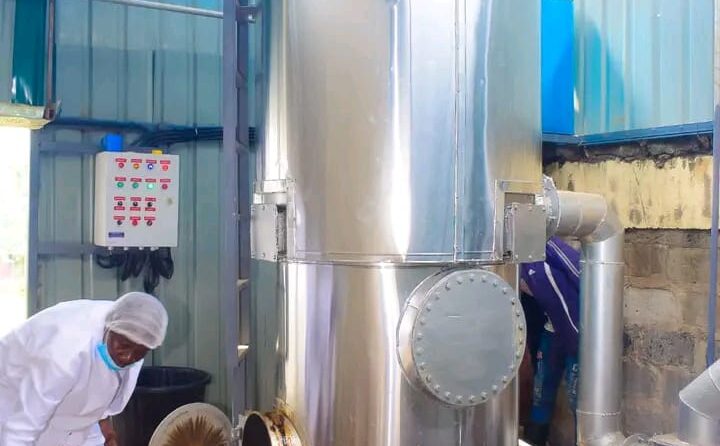
Industrial incinerators are advanced, high-temperature thermal systems designed to dispose of hazardous, municipal, and industrial waste. By converting refuse into sterile ash, flue gas, and heat, these systems provide a powerful solution for waste reduction and environmental safety.
industrial facilities generate diverse waste streams that require specific handling based on their physical state and chemical properties some may be non-hazardous, liquid Waste, hazardous waste or specialized waste.
Specialized waste streams, particularly biomedical waste from healthcare and radioactive waste from medical imaging, represent some of the most dangerous materials generated by human activity. Because they can contain highly infectious pathogens, sharp objects like needles, and volatile chemicals, they require a disposal method far more rigorous than standard waste management.
Industrial incinerators provide a controlled, high-efficiency solution for neutralizing these hazardous materials and reducing the overall waste footprint that would otherwise burden national ecosystems. By operating at extreme temperatures, typically between 800°C and 1,100°C, incineration ensures the total destruction of pathogens and the neutralization of volatile chemicals, preventing the spread of disease and protecting the environment from toxic contamination.
Industrial waste Legal requirements in Kenya
In Kenya the operation of industrial incinerators in Kenya is strictly controlled to protect both public health and the environment under the Environmental Management and Coordination Regulations enforced by NEMA (National Environment Management Authority).
KEBS (Kenya Bureau of Standards) on the other hand establishes the technical specifications for the incinerators themselves dictating the required combustion temperatures, stack heights, and material quality to ensure the equipment functions safely and efficiently.
In today’s regulatory landscape, compliance isn’t just a goal—it’s a legal mandate. To align with NEMA’s strict environmental pollution prevention policies, your facility requires a disposal solution that is as reliable as it is efficient.
Why Partner with Wilest Energy Solutions Ltd?
We don’t just provide equipment; we provide peace of mind. At Wilest Energy Solutions Ltd, we specialize in the end-to-end lifecycle of high-performance thermal systems.
Custom Fabrication: We build robust incinerators engineered