
Why Efficient Factories Invest in Utility Engineering
Introduction
In modern industrial operations, productivity is not determined by machines alone. It is determined by how well the entire factory system is supported by its utilities. Steam, chilled water, compressed air, insulation, pipework, and energy systems all work together behind the scenes to keep production running smoothly.
Factories that perform consistently at high efficiency understand one key truth: utility engineering is not support work — it is core infrastructure.
At Wilest Energy Solutions Ltd, we design and implement industrial utility systems that help factories in Kenya operate with stability, efficiency, and reduced downtime.
What Is Utility Engineering?
Utility engineering refers to the design, installation, and maintenance of essential support systems in a factory. These systems do not directly produce goods, but they make production possible.
Key industrial utilities include:
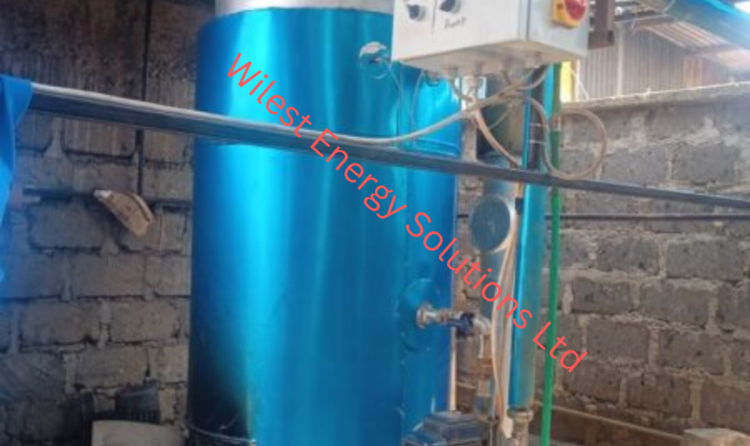
- Steam systems and boilers
- Chilled water systems
- Compressed air systems
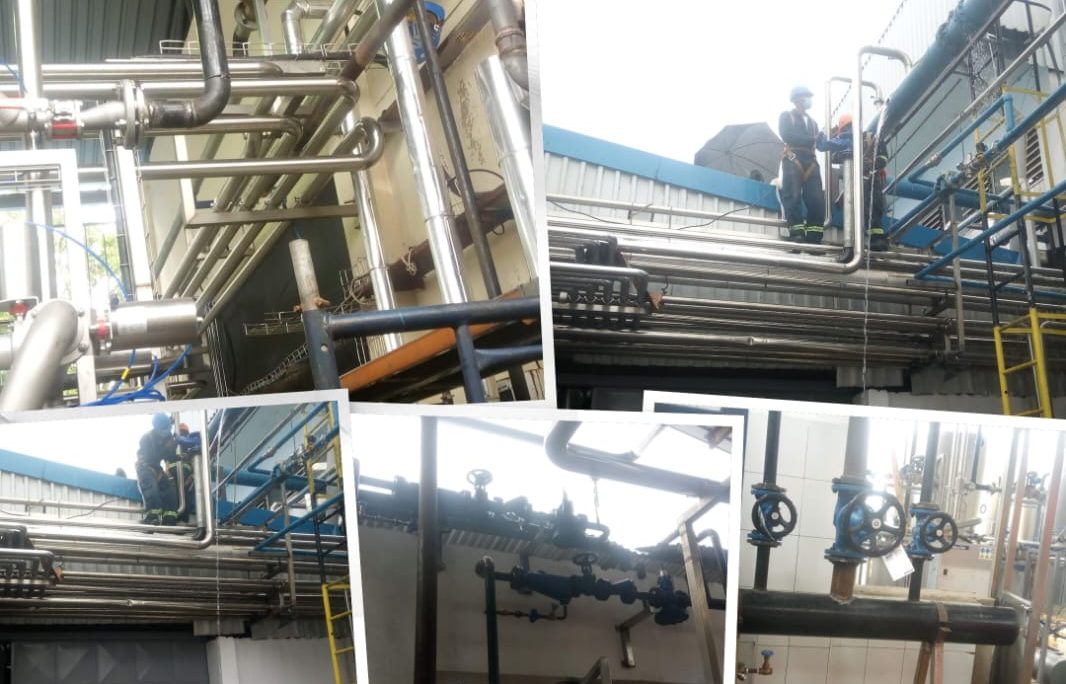
- Industrial pipework networks
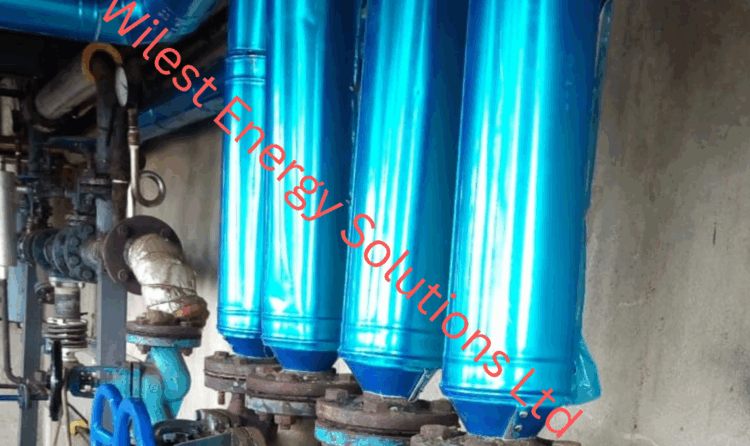
- Thermal insulation systems
- Condensate recovery systems
Without these, even the most advanced production equipment cannot function effectively.
Why Utilities Determine Factory Efficiency
Many factories invest heavily in production machines but neglect the systems that support them. This creates hidden inefficiencies.
Poor utility systems lead to:
- unstable production output
- high energy consumption
- frequent breakdowns
- product quality inconsistencies
- increased maintenance costs
Efficient factories, on the other hand, prioritize utility engineering to ensure smooth operations.
1. Energy Efficiency Starts with Utilities
A poorly designed steam or chilled water system can waste significant amounts of energy daily.
Well-engineered utilities help factories:
- reduce fuel consumption
- optimize heat transfer
- minimize energy loss through pipes
- improve system performance
Energy efficiency is not achieved at the machine level alone — it begins with utility design.
2. Reduced Downtime and Higher Reliability
Utility failures are one of the leading causes of unexpected factory shutdowns.
A leaking steam line, failed pump, or poorly insulated pipe can stop production entirely.
Proper utility engineering ensures:
- stable system pressure
- reliable flow of steam and water
- reduced mechanical failures
- continuous production uptime
In industrial environments, uptime is profit.
3. Improved Product Quality
Utilities directly affect product quality in many industries.
For example:
- Dairy processing requires stable steam and cooling systems
- Food production depends on precise temperature control
- Pharmaceuticals require strict environmental conditions
If utility systems fluctuate, product consistency suffers.
4. Lower Long-Term Operating Costs
Many factory owners focus on installation cost instead of lifecycle cost.
Well-designed utility systems reduce long-term expenses through:
- lower fuel usage
- fewer breakdowns
- reduced maintenance frequency
- extended equipment lifespan
Investing in utility engineering is a cost-saving strategy, not an expense.
5. Safety and Compliance
Industrial utilities operate under high pressure, temperature, and mechanical stress.
Poorly engineered systems increase risk of:
- steam leaks
- pressure failures
- workplace accidents
- regulatory non-compliance
Proper utility engineering ensures safe, controlled, and compliant operations.
The Role of Pipework and Insulation
Two of the most overlooked but critical elements in utility engineering are pipework and insulation.
Pipework
Good pipework design ensures:
- efficient flow distribution
- minimal pressure loss
- balanced system performance
Insulation
Proper insulation:
- reduces heat loss
- improves energy efficiency
- enhances workplace safety
- stabilizes system temperatures
Together, they form the backbone of an efficient industrial utility system.
Why Forward-Looking Factories Choose Integrated Engineering
Efficient factories no longer treat utilities as separate systems. They integrate them into one engineered solution that includes:
- steam generation
- chilled water systems
- pipework design
- insulation solutions
- maintenance planning
This integrated approach ensures consistency, reliability, and long-term performance.
At Wilest Energy Solutions Ltd, we specialize in delivering complete utility engineering solutions tailored for Kenyan industries.
Conclusion
Factories that invest in utility engineering outperform those that only invest in production machines.
Efficiency is not achieved at the surface level. It is built in the systems that support production every second of the day.
Steam, cooling, air, insulation, and pipework are not background elements — they are the foundation of industrial success.
Contact Wilest Energy Solutions Ltd
Wilest Energy Solutions LtdToll Weighbridge, Thika Super-Highway, Ruiru, Kiambu, Kenya
📞 +254 707 346 616📧 [email protected]