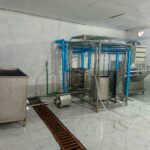


Steam Leaks: The Invisible Expense in Factories
Introduction
In many factories, especially in Kenya’s growing industrial sector, one of the biggest hidden costs is not fuel, not labor, and not raw materials—it is steam leaks. These leaks often go unnoticed, yet they silently increase operating costs, reduce efficiency, and strain industrial boilers.
At Wilest Energy Solutions Ltd, we have seen how small steam leaks can turn into major financial losses for dairy plants, food processors, textile industries, hospitals, and manufacturing facilities.
Understanding and controlling steam leaks is essential for improving productivity and reducing unnecessary energy waste.
What Are Steam Leaks?
Steam leaks occur when steam escapes from pipes, valves, joints, or fittings before reaching its intended destination. In industrial systems, steam is meant to transfer heat efficiently, but any leakage means:
- lost energy
- reduced pressure
- lower system efficiency
- higher fuel consumption
Even a small leak can waste large amounts of energy over time.
Why Steam Leaks Are Dangerous for Factories
Steam leaks are often called an “invisible expense” because they are easy to ignore but expensive to maintain.
1. Increased Fuel Consumption
When steam leaks occur, boilers must work harder to maintain pressure. This leads to:
- higher fuel usage (diesel, firewood, or electricity)
- increased operating costs
- reduced boiler efficiency
2. Reduced Production Efficiency
Many industries rely on consistent steam pressure for production. Leaks can cause:
- unstable steam supply
- slower production processes
- poor product quality
3. Equipment Damage
Continuous leaks may lead to:
- corrosion of pipes and fittings
- damage to insulation systems
- premature wear of boiler components
4. Safety Risks
Steam is extremely hot and under pressure. Uncontrolled leaks can cause:
- burns and workplace injuries
- unsafe working conditions
- pressure instability in the system
Common Causes of Steam Leaks
Steam leaks in factories are usually caused by:
- worn-out gaskets and seals
- poor pipe installation
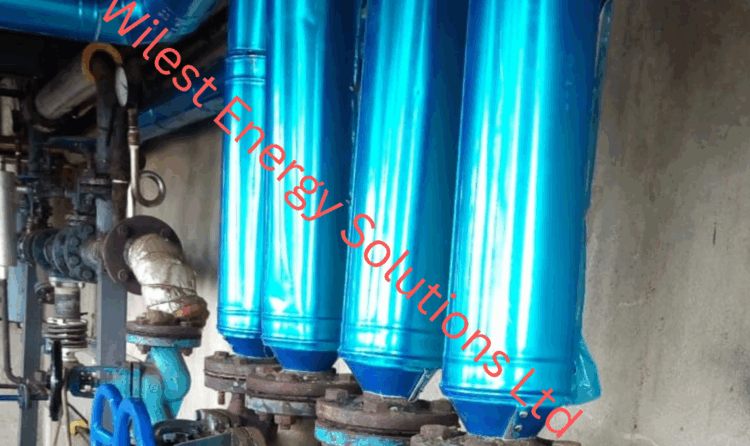
- lack of insulation or damaged lagging
- corrosion in pipes and valves
- lack of routine maintenance
Most of these issues develop slowly over time, making them easy to miss.
How to Detect Steam Leaks Early
Factories can reduce losses by regularly checking for:
- hissing sounds near pipes and valves
- visible steam escaping
- wet or damaged insulation
- pressure drops in the system
- increased fuel consumption without increased production
Routine inspections are key to early detection.
How to Prevent Steam Leaks
Preventing steam leaks is more cost-effective than fixing them after they occur.
Key preventive measures include:
- proper steam pipe installation
- high-quality lagging and cladding
- regular boiler servicing
- timely replacement of worn-out valves and seals
- routine system inspections
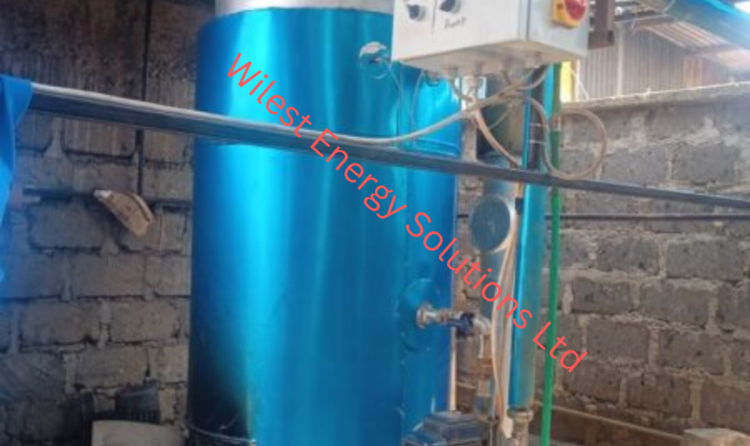
At Wilest Energy Solutions Ltd, we design and install systems that minimize leak risks through professional engineering and quality workmanship.
The Role of Professional Engineering Support
Steam systems require expert design and maintenance. Poor installation or lack of technical knowledge often leads to recurring leaks and inefficiencies.
Working with experienced engineers ensures:
- better system design
- reduced energy losses
- longer equipment lifespan
- improved safety standards
Conclusion
Steam leaks may be invisible, but their impact is very real. They increase costs, reduce efficiency, and compromise production in industrial facilities.
For factories in Kenya and beyond, controlling steam leaks is one of the fastest ways to improve profitability and sustainability.
At Wilest Energy Solutions Ltd, we help industries identify, prevent, and eliminate steam leaks through professional boiler systems, pipework, and maintenance services.
Contact Us – Wilest Energy Solutions Ltd
Wilest Energy Solutions LtdToll Weighbridge, Thika Super-Highway, Ruiru, Kiambu, KenyaPhone: +254 707 346 616Email: [email protected]
A